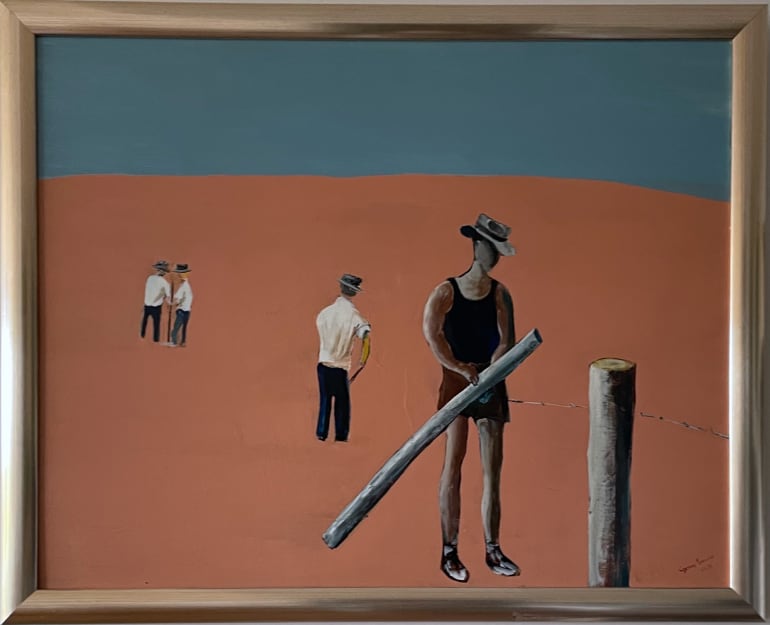
Fencer from Gray Smith’s First Solo Show
I’ve added an early Gray Smith painting from his first solo exhibition, made as the Contemporary Art Gallery was becoming the Museum of Modern Art Australia.
I’ve added an early Gray Smith painting from his first solo exhibition, made as the Contemporary Art Gallery was becoming the Museum of Modern Art Australia.
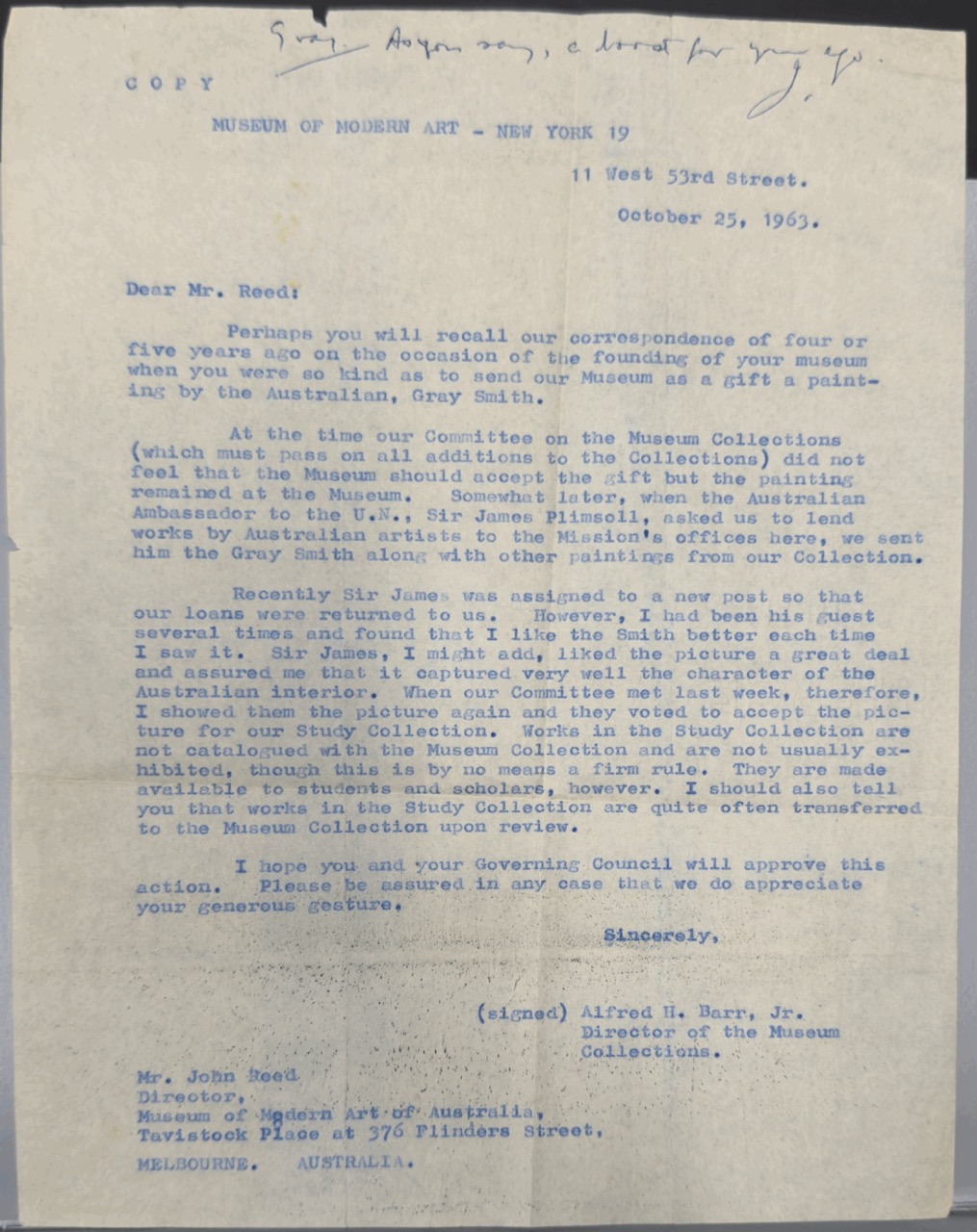
In 1958, John Reed sent Gray Smith’s painting The Tank to New York’s Museum of Modern Art. The episode has usually been described as a quiet rejection. A newly uncovered 1963 letter from Alfred H. Barr Jr., MoMA’s founding director, tells a more nuanced story. Quoted in full, the letter shows how Barr’s view of the painting changed over time, and why The Tank was ultimately accepted into MoMA’s Study Collection.
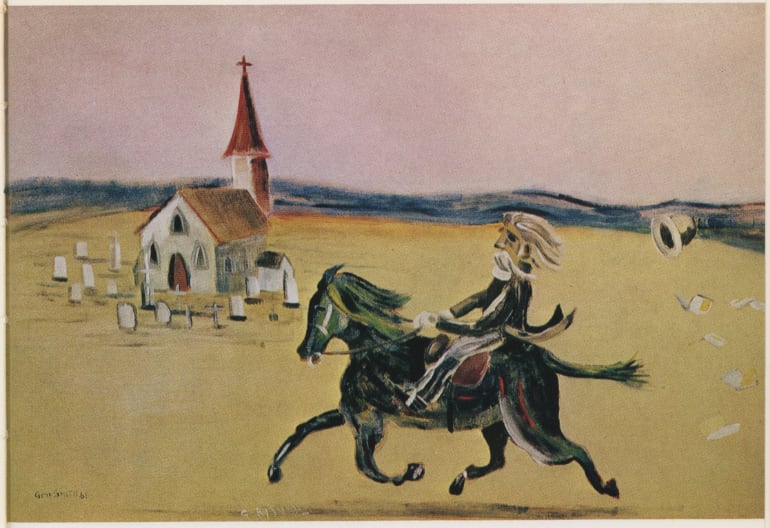
This post begins my investigation into Gray Smith’s Canberry Paintings, a 1966 exhibition that set out to paint Canberra’s first hundred years. Drawing on reviews, archives, and Joan Smith’s research notes, I explore how the exhibition came together, how it was received, and what it reveals about how Canberra’s past was understood at the time.
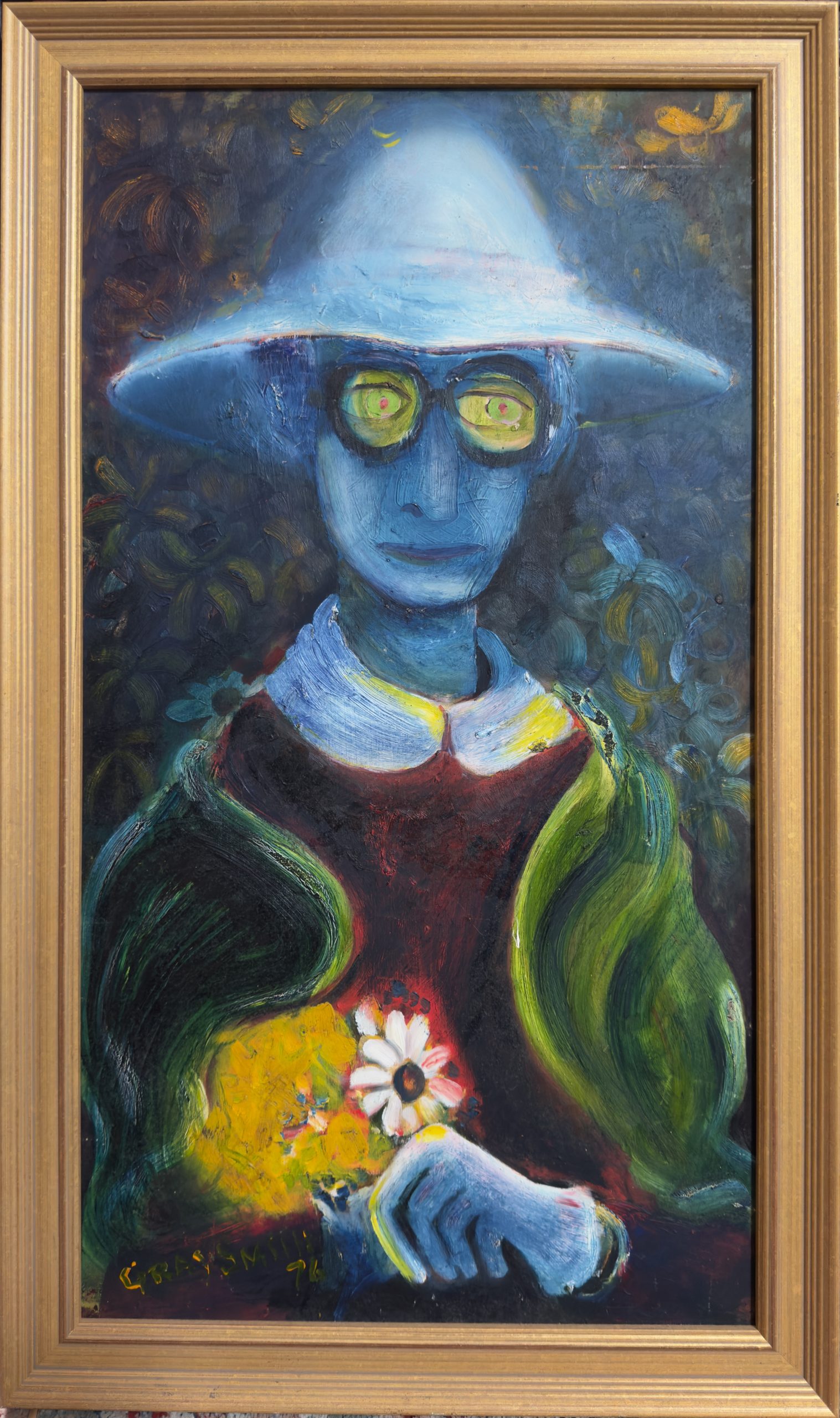
In the early 1970s, the ABC commissioned Gray Smith to create paintings and cartoons for its four-part Daisy Bates television series. This post looks at that broadcast work, the biblical cartoons made for television, and the 1976 painting Gray produced after the series went to air.
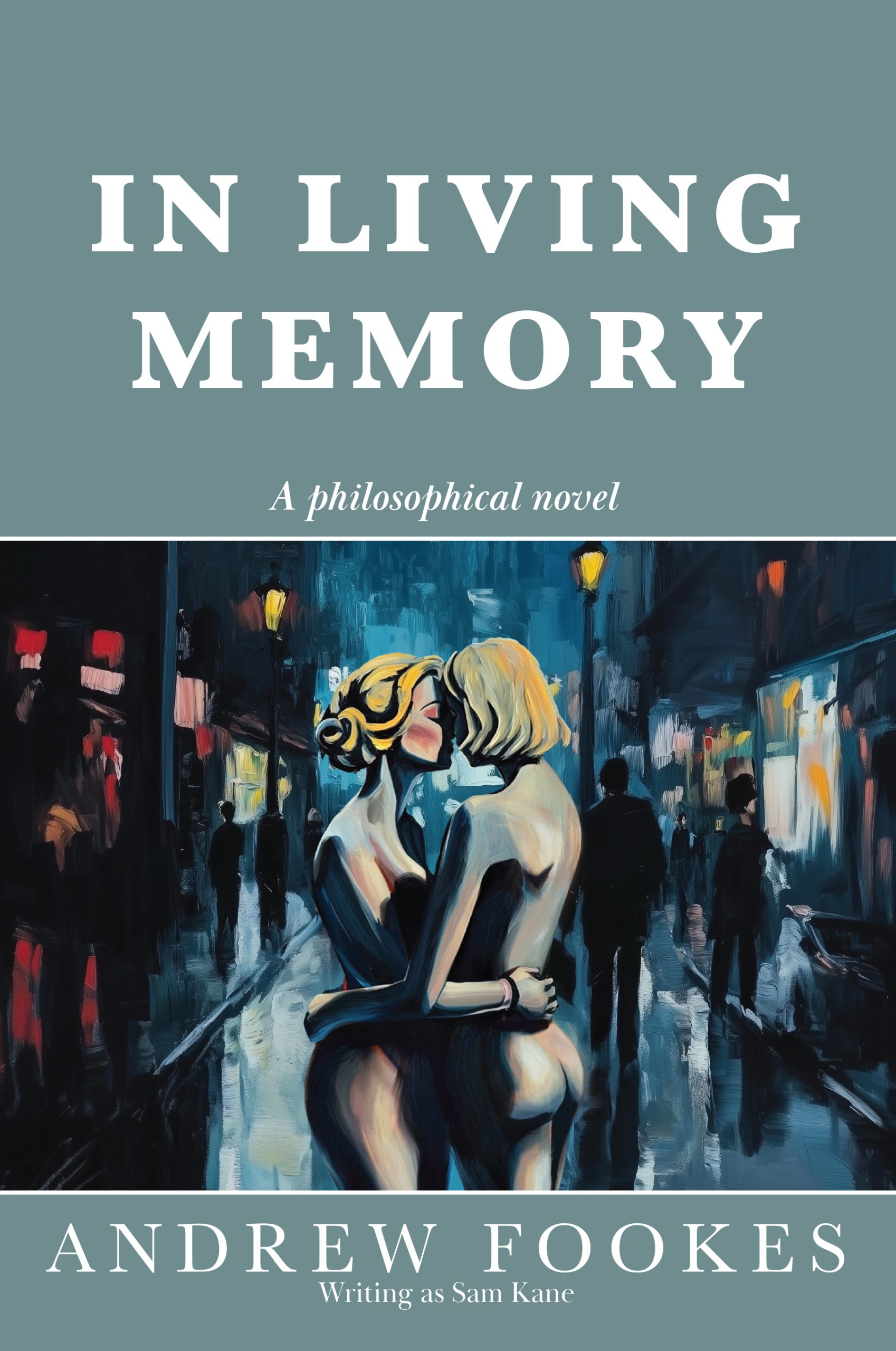
In In Living Memory, Andrew Fookes quietly places Gray Smith alongside the central figures of the Heide Circle. This post looks at why that kind of naming matters, how artistic canons are formed through repetition, and why memory, not merit alone, shapes who stays visible in art history.
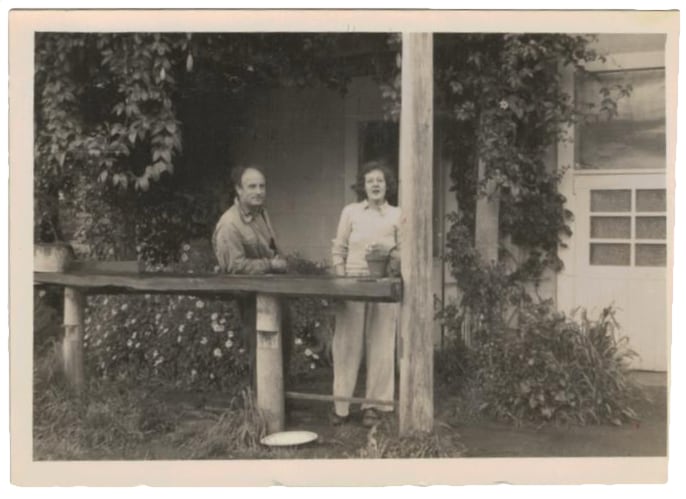
In the summer of 1954, Joy Hester and Gray Smith were living simply on a farm outside Avonsleigh when a well-meant plan to sell Christmas chickens went wrong. What followed was a small, telling episode about friendship, optimism, and four artists learning the limits of confidence, heat, and poultry.