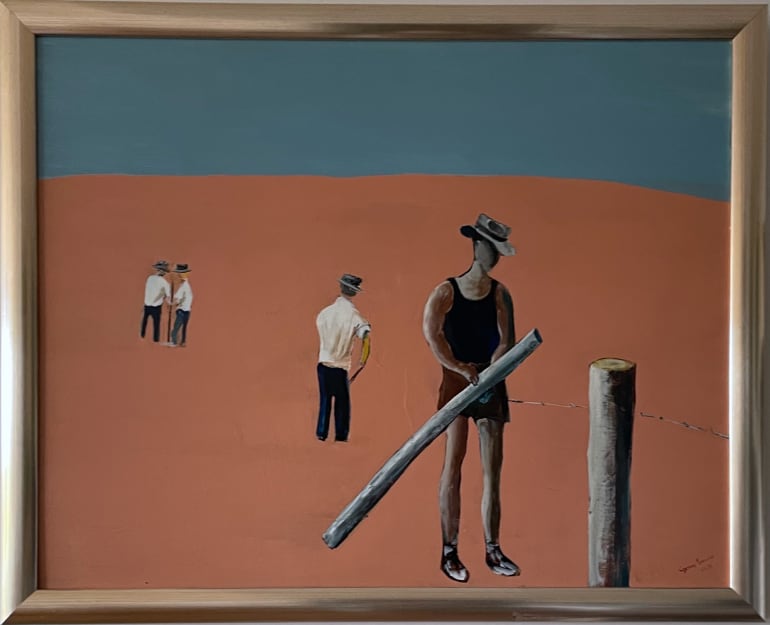
Fencer from Gray Smith’s First Solo Show
I’ve added an early Gray Smith painting from his first solo exhibition, made as the Contemporary Art Gallery was becoming the Museum of Modern Art Australia.
I’ve added an early Gray Smith painting from his first solo exhibition, made as the Contemporary Art Gallery was becoming the Museum of Modern Art Australia.
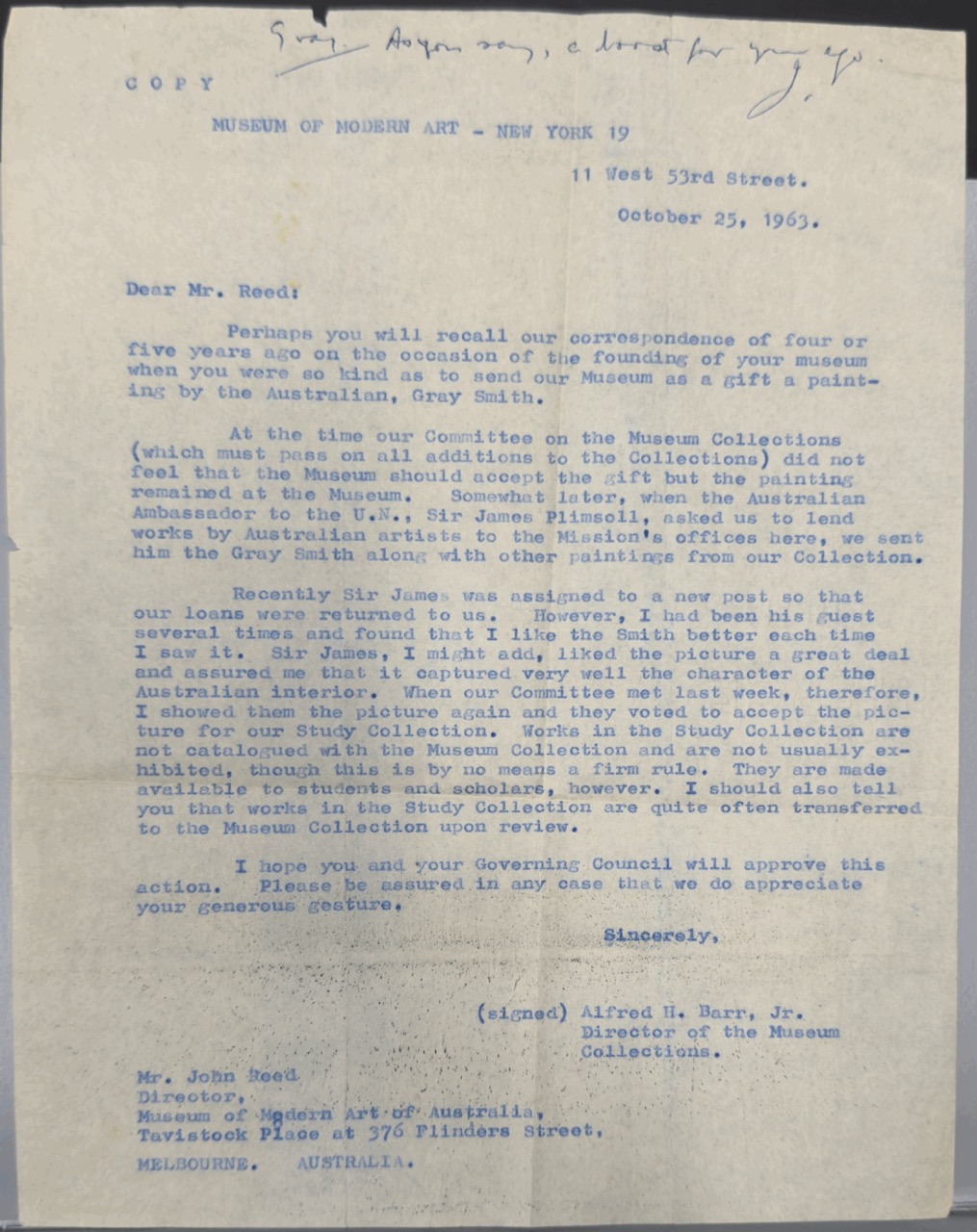
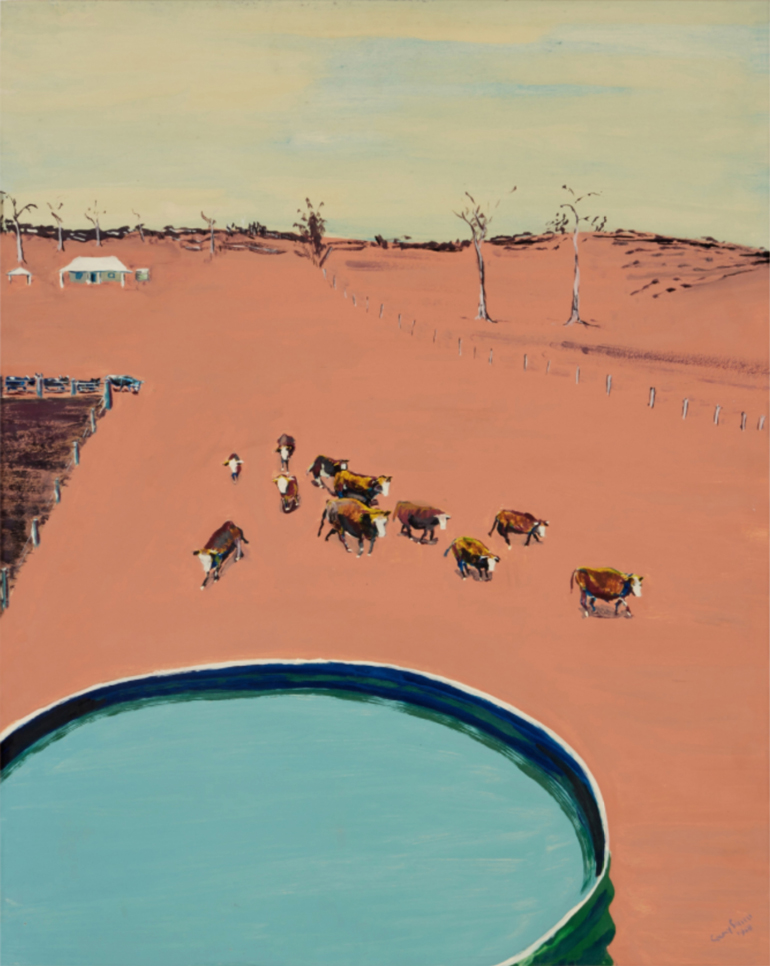
In 1958, John Reed sent Gray Smith’s painting The Tank to New York’s Museum of Modern Art. The episode has usually been described as a quiet rejection. A newly uncovered 1963 letter from Alfred H. Barr Jr., MoMA’s founding director, tells a more nuanced story. Quoted in full, the letter shows how Barr’s view of the painting changed over time, and why The Tank was ultimately accepted into MoMA’s Study Collection.
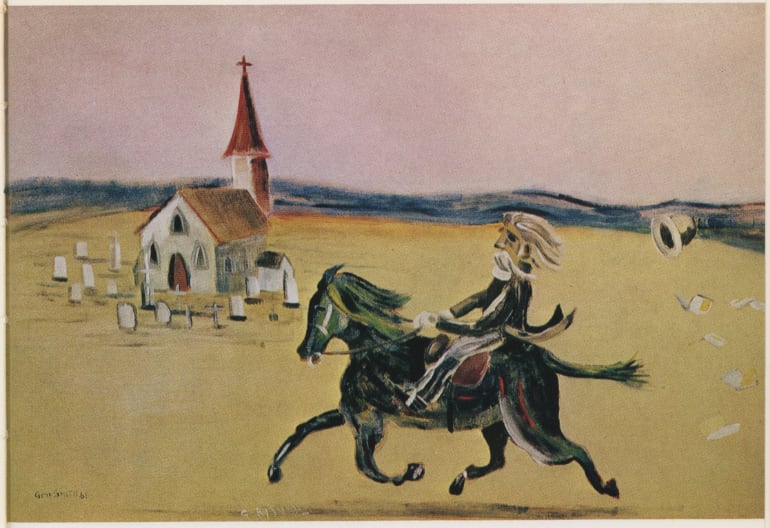
This post begins my investigation into Gray Smith’s Canberry Paintings, a 1966 exhibition that set out to paint Canberra’s first hundred years. Drawing on reviews, archives, and Joan Smith’s research notes, I explore how the exhibition came together, how it was received, and what it reveals about how Canberra’s past was understood at the time.
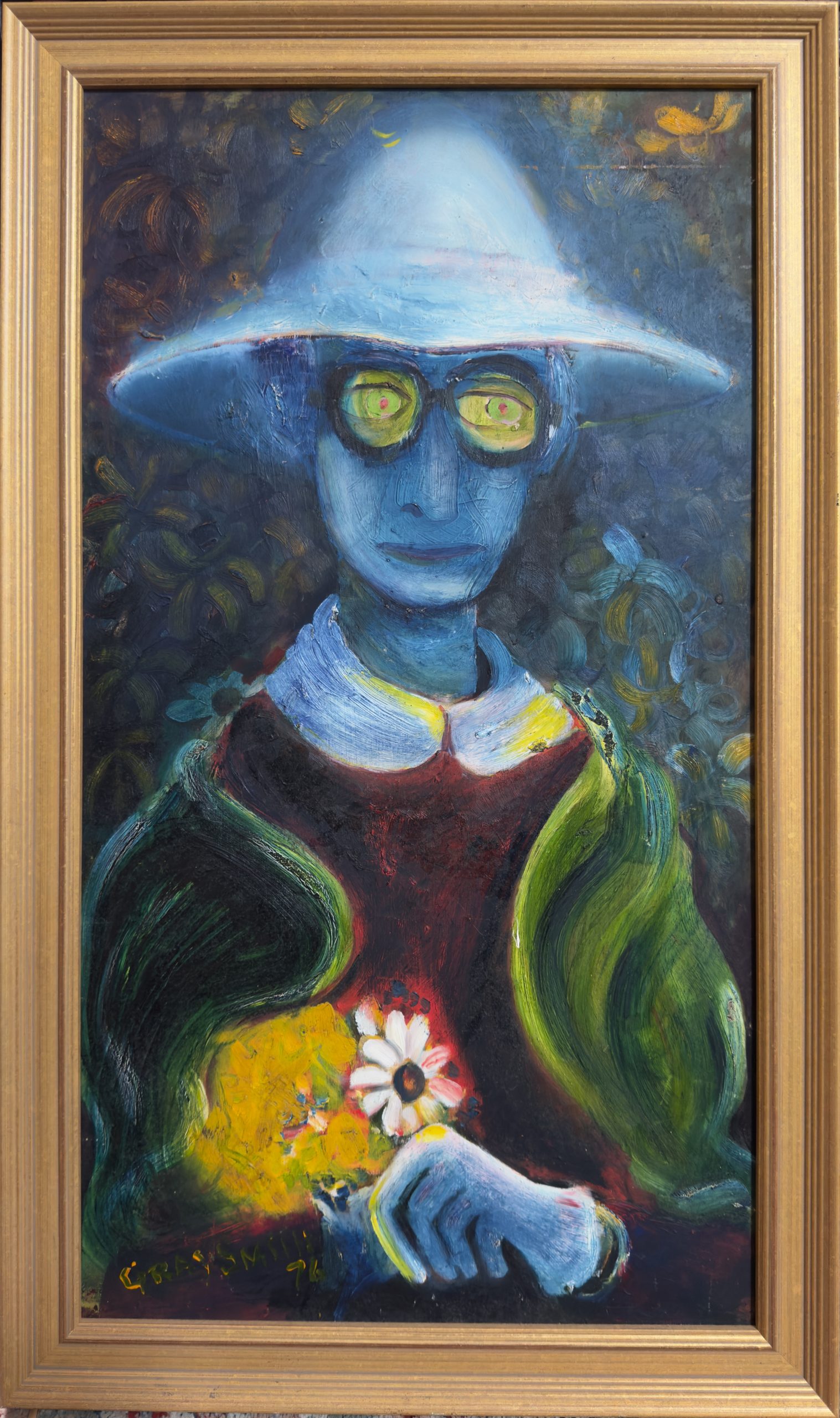
In the early 1970s, the ABC commissioned Gray Smith to create paintings and cartoons for its four-part Daisy Bates television series. This post looks at that broadcast work, the biblical cartoons made for television, and the 1976 painting Gray produced after the series went to air.
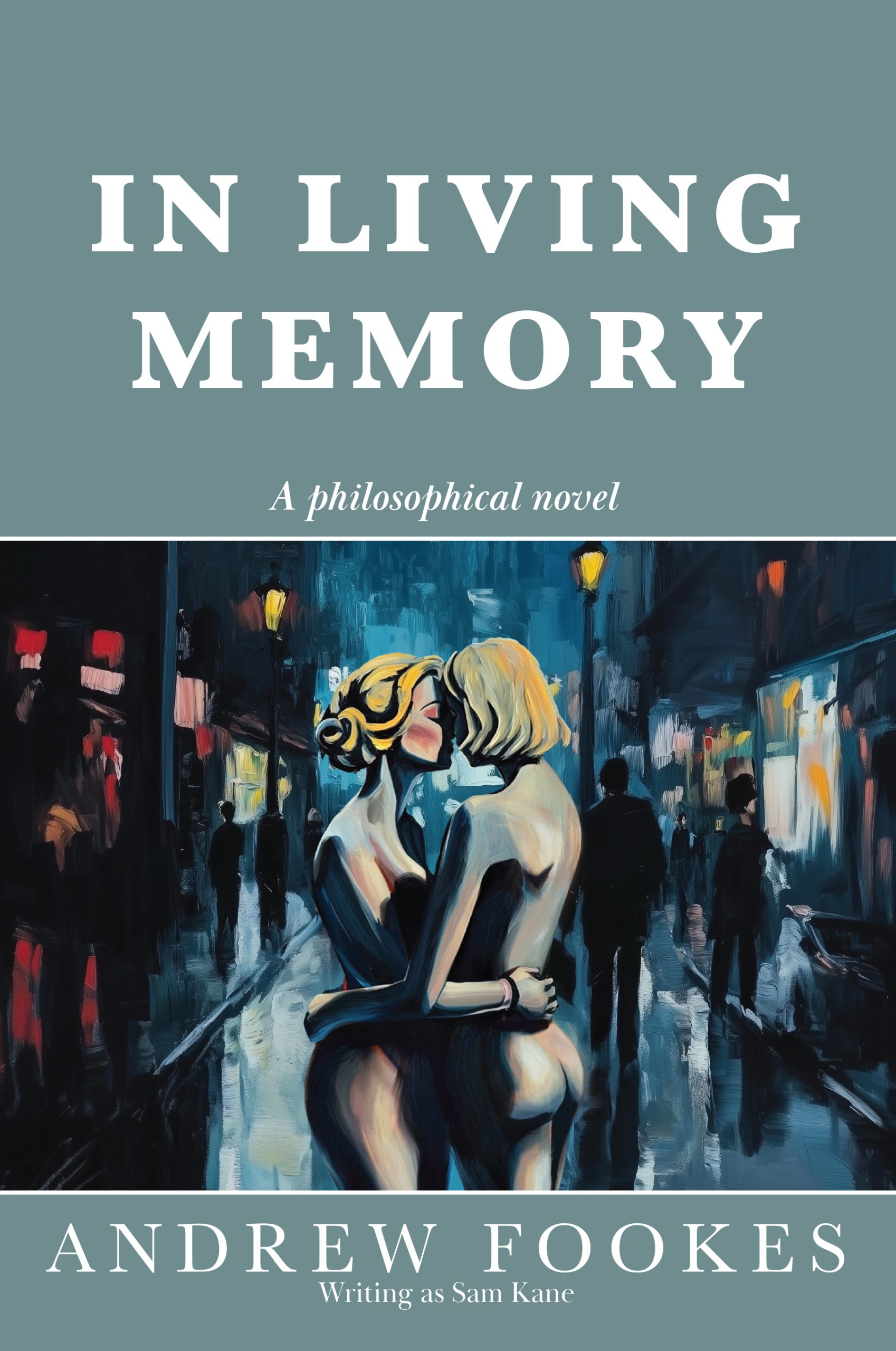
In In Living Memory, Andrew Fookes quietly places Gray Smith alongside the central figures of the Heide Circle. This post looks at why that kind of naming matters, how artistic canons are formed through repetition, and why memory, not merit alone, shapes who stays visible in art history.
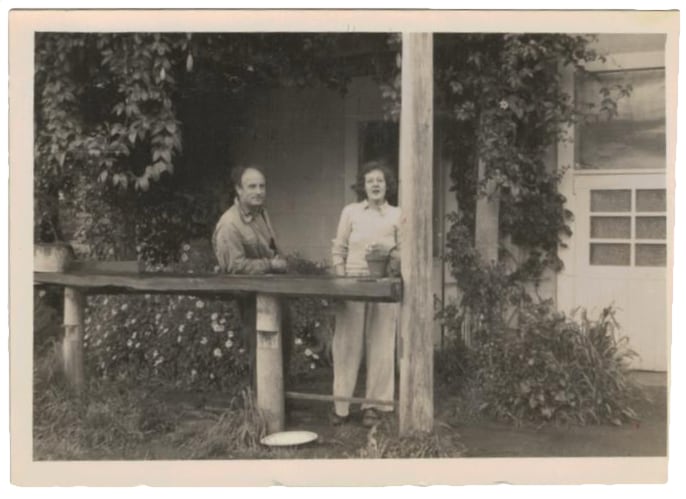
In the summer of 1954, Joy Hester and Gray Smith were living simply on a farm outside Avonsleigh when a well-meant plan to sell Christmas chickens went wrong. What followed was a small, telling episode about friendship, optimism, and four artists learning the limits of confidence, heat, and poultry.
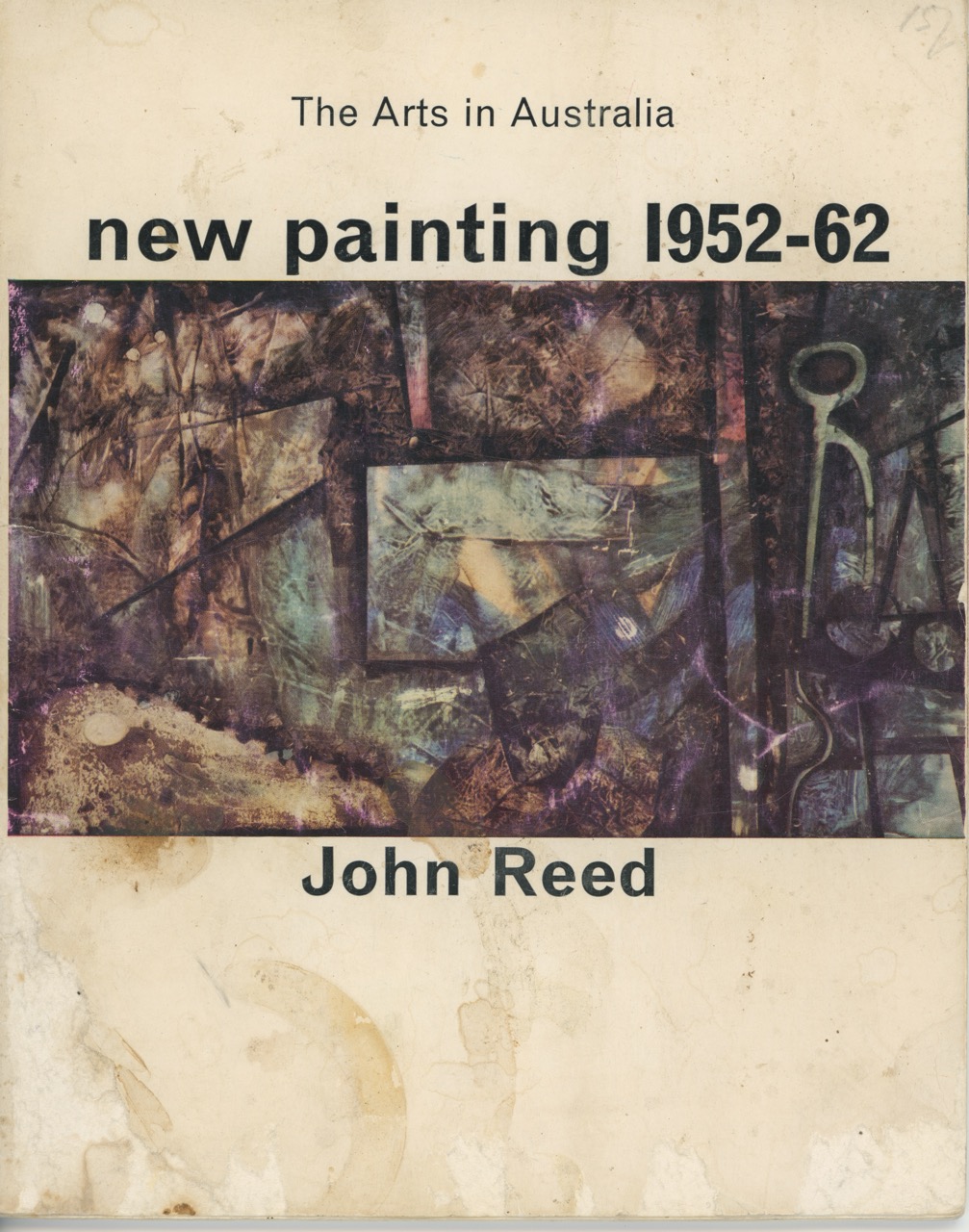
John Reed included Gray Smith in New Painting 1952–62, a snapshot of emerging Australian artists. Gray’s own words in the book show how deeply the bush shaped his work.
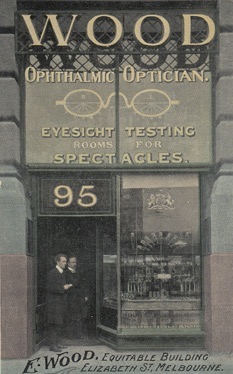
Gray left school at 15 and his first job was working as an optical machinist at E. Wood and Son at 95 Elizabeth Street, Melbourne. He would have spent long days in a small, dusty workshop, cutting and shaping glass for spectacles. The work was exacting. Round blanks of crown
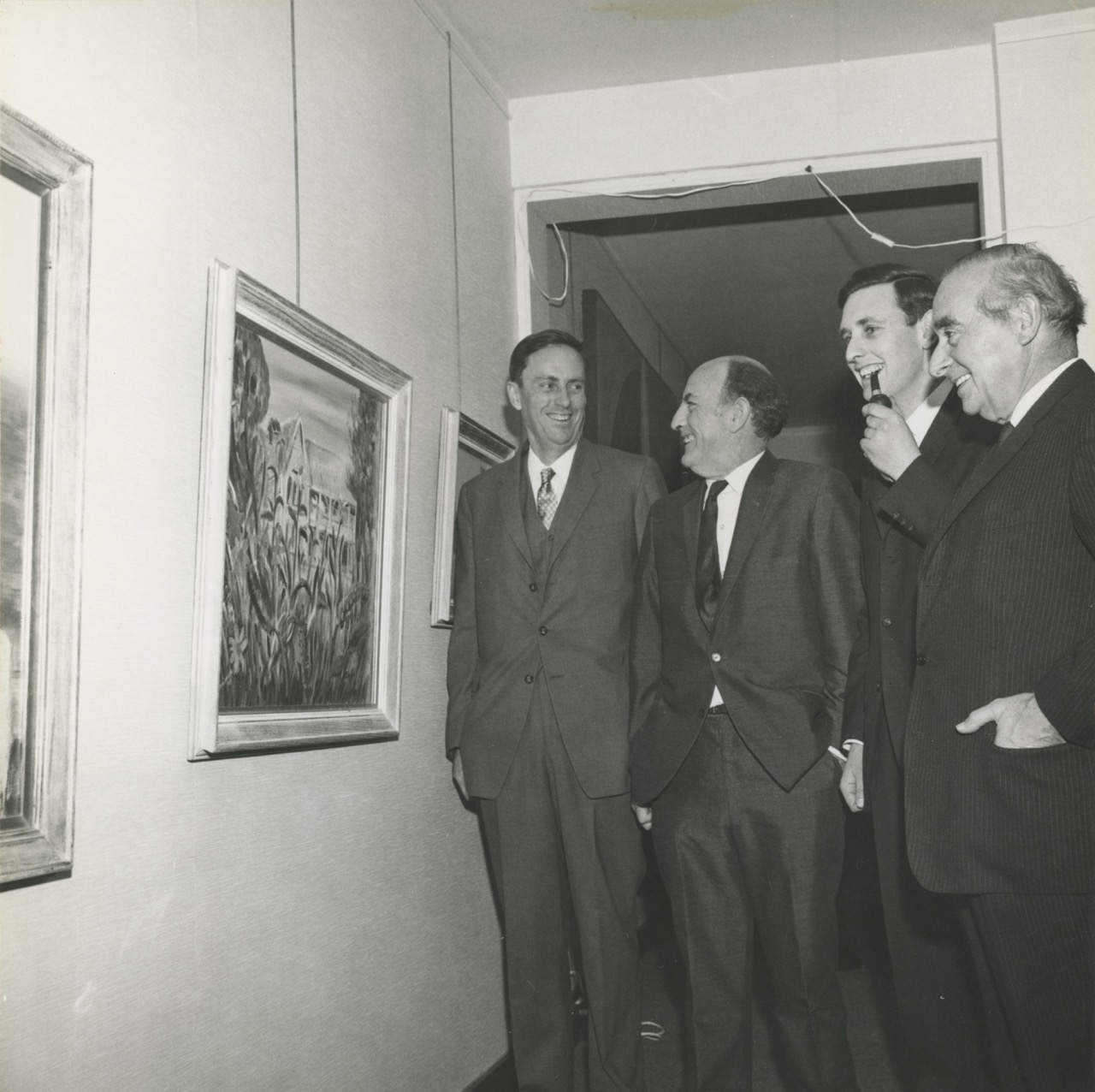
In 1967 Gray Smith and his family travelled to Paris for a residency at the Cité Internationale des Arts. A mix up over a studio, an unexpected shared house and a new friendship with Arthur Wicks shaped that year.
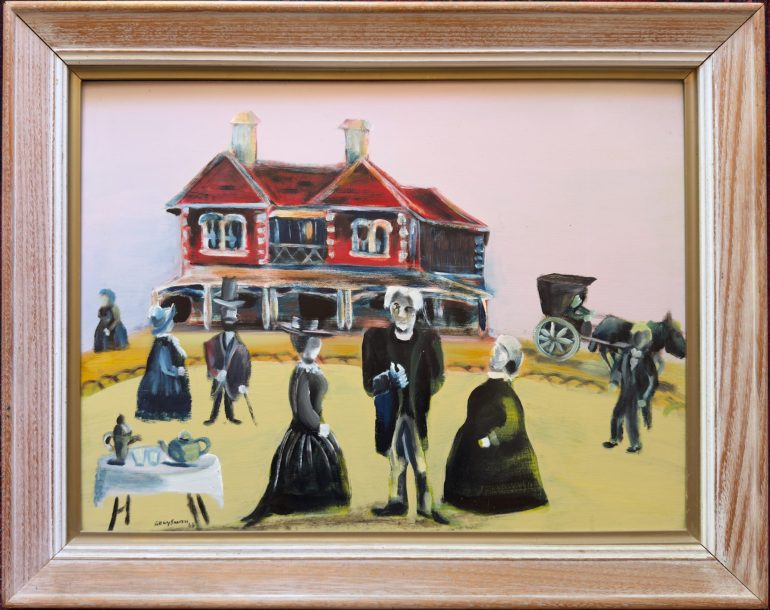
While searching for one of Gray Smith’s lost paintings, I came across a note in Rosalie Gascoigne’s Catalogue Raisonné that caught my attention. It revealed that Rosalie and her husband Ben had bought one of Gray’s works back in 1966. When an artist chooses to buy another artist’s work, it says something special.
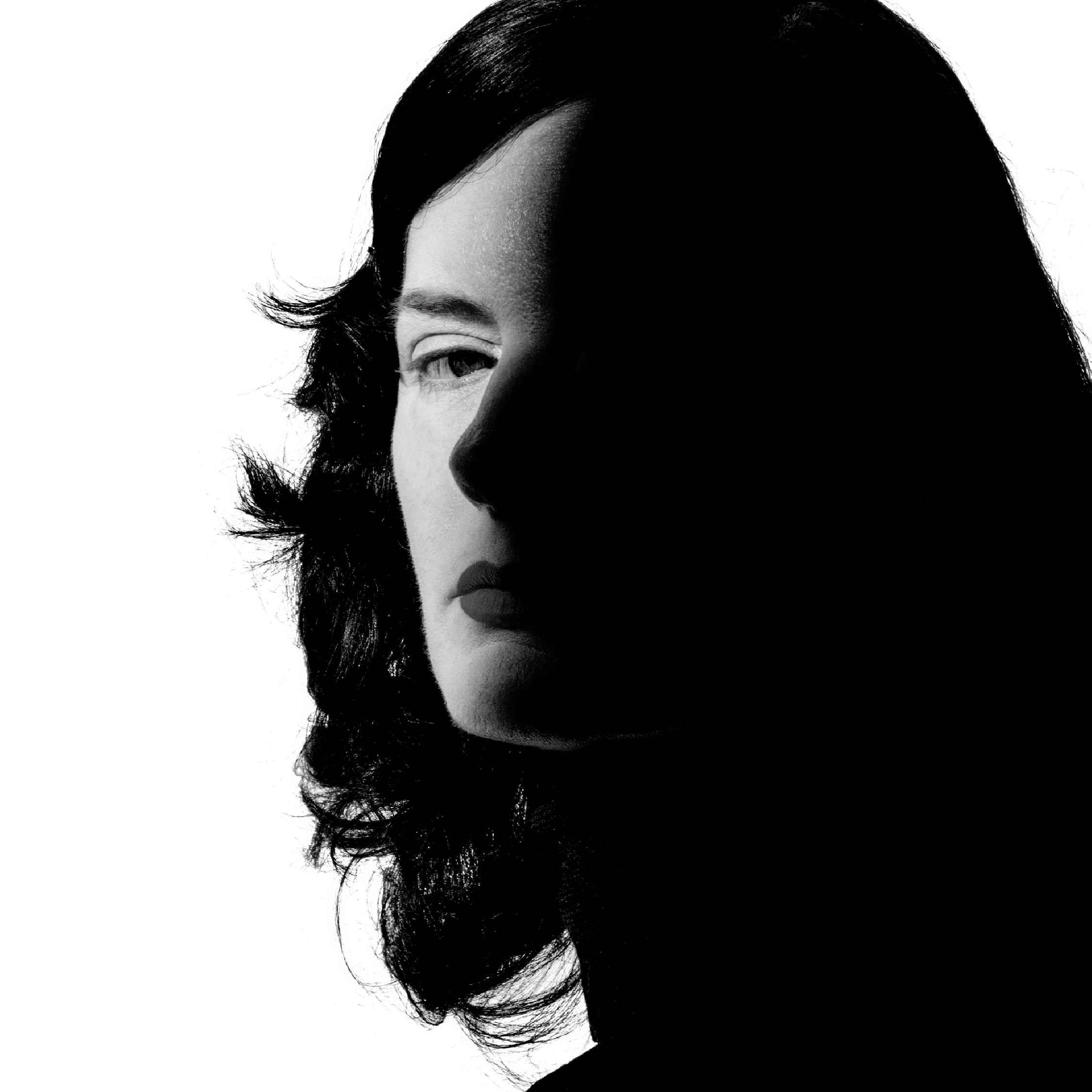
Last night Sheenagh and I went to see Where Is Joy? at fortyfivedownstairs, written and performed by Emma Louise Pursey. If you get a chance to see this play, do it. It’s a remarkable portrayal of Joy Hester, raw, intense, and deeply human. From the moment Emma appeared, sitting cross-legged
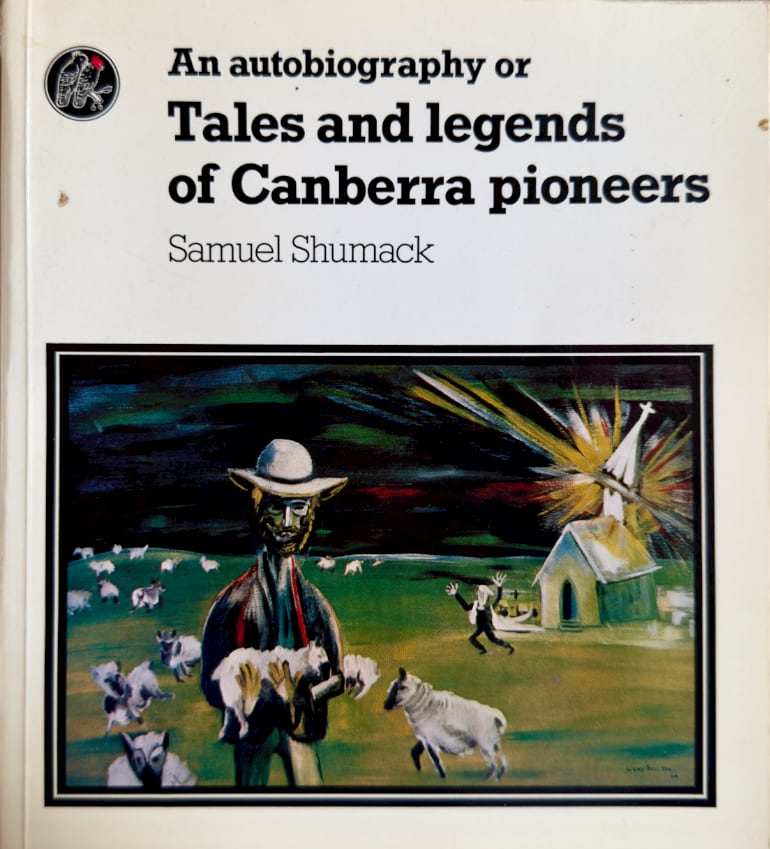
When Tales and Legends of Canberra Pioneers was published in 1967, the Shumack family turned to Gray Smith to bring Samuel Shumack’s words to life. Eight of Gray’s Canberry paintings were chosen to illustrate the book, capturing not just the pioneer stories but the spirit of the region itself. My
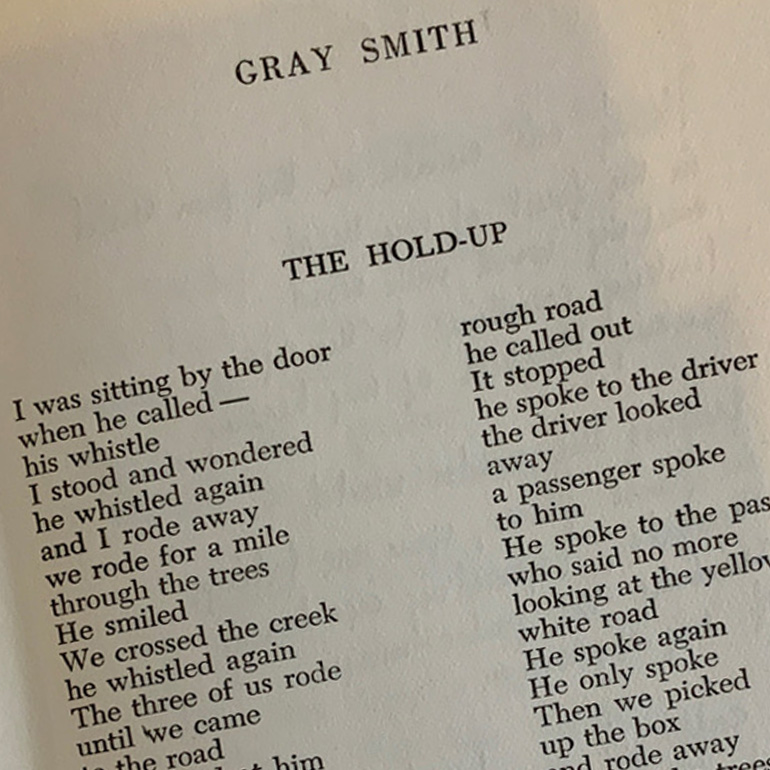
I’ve been reading Michael Heyward’s The Ern Malley Affair. It’s a terrific book. I ended up there after finding three of Gray’s poems in Ern Malley’s Journal, an offshoot of Angry Penguins funded by the Reeds and co-edited by John Reed, Barrett Reid, and Max Harris. The Ern Malley Affair is still one of Australia’s great
It was New Year’s Day 2022. We were sitting on the balcony in Portarlington, looking out over Port Phillip Bay on a sunny afternoon. All but one of Gray’s children were there with their partners. I’m a partner of Sheenagh, Gray’s youngest. I’d floated the idea of a Wikipedia page
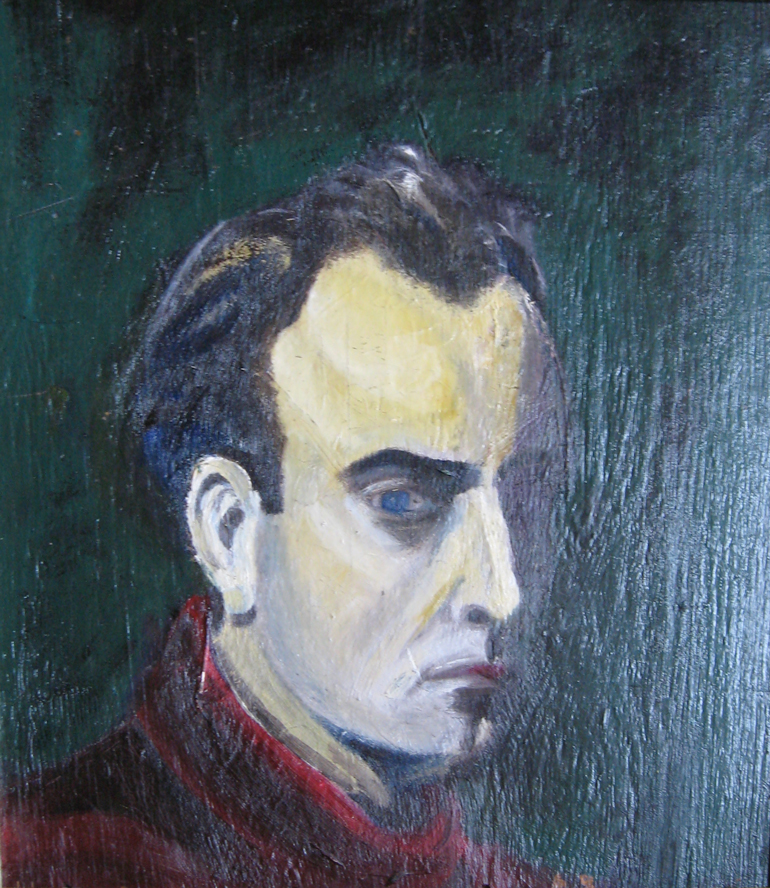
I had to answer this question for myself before I could think about why others might care about Gray Smith’s life and art. This is early thinking. Projects like this shift as discoveries are made and my thinking evolves. But with all that said, here’s my first take. Gray Smith’s